

Devils (Ramsey)
Devils (Ramsey)
Couldn't load pickup availability
Devils Lake in Ramsey County, ND
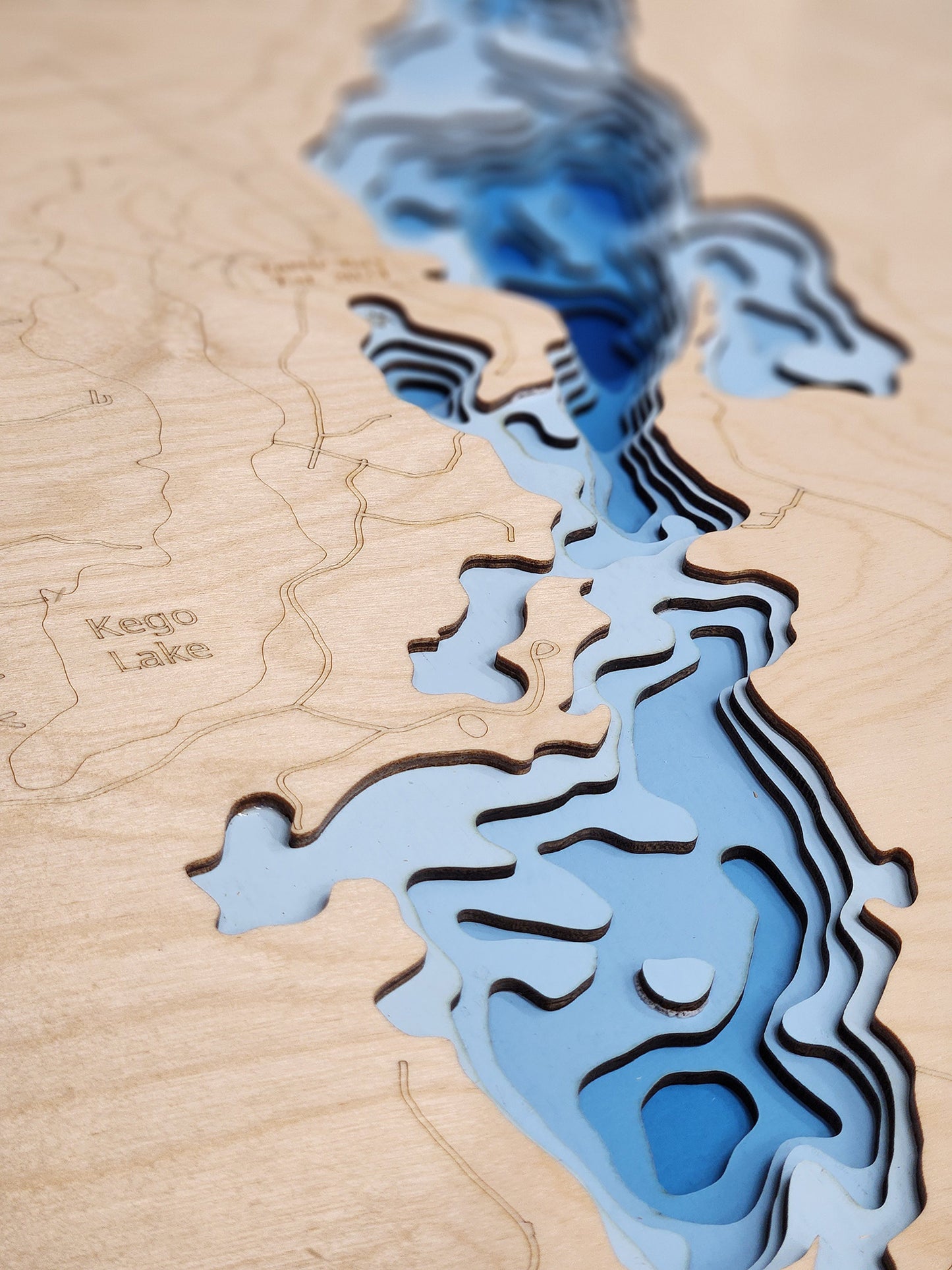
This map has 8 layers
Devils Lake in Ramsey County, North Dakota, is a world-renowned fishing destination and the state's largest natural lake. With its size fluctuating dramatically over the years to over 190,000 acres, it has become famous for its abundant fish populations. Anglers from across the globe flock to its waters, earning it the title of "Perch Capital of the World." The lake also boasts a thriving fishery of Walleye, Northern Pike, and White Bass, making it a year-round paradise for both summer and ice fishing enthusiasts. Devils Lake's extensive, flooded-timber structure and numerous bays provide a diverse habitat that contributes to its exceptional productivity and offers endless opportunities for anglers of all skill levels.
Beyond its legendary fishing, Devils Lake and the surrounding area offer a wealth of activities and attractions. With over 375 miles of shoreline, the lake is ideal for boating, kayaking, and wildlife viewing. The expansive waters and fluctuating levels create a unique and ever-changing landscape to explore. Nearby, visitors can immerse themselves in history at the Fort Totten State Historic Site or witness a herd of bison and elk at Sully's Hill National Game Preserve. For outdoor recreation, Graham's Island State Park provides excellent opportunities for hiking, camping, and birdwatching, ensuring there is something for everyone to enjoy in this dynamic North Dakota landscape.
Dimensions:
Small: 8"x12"
Medium: 12"x18"
Large: 16"x24"
Extra Large: 20"x30"
XX Large: 24"x36"
Gigantic 30"x45"
HD Extra Large: 20"x30" - 15 Layers
HD XX Large: 24"x36" - 15 Layers
HD Gigantic 30"x45" - 15 Layers
The difference between standard and HD maps is the number of layers. Standard maps have 1 land layer and 7 water layers. " The HD lake maps have 1 land layer and 14 water layers. So twice the detail. The HD Maps are limited to Extra Large, " XX Large, and Gigantic sizes only. On the smaller sizes the depth change of the wood is too extreme and you end up losing detail."
Share